
I still recall the warm June morning a bike cop flagged me down. I asked him, can you ride an ebike on the sidewalk when road traffic feels unsafe? He handed me a $150 ticket and pointed to a faded city sign.
That sting taught me that motor bikes and concrete foot paths rarely mix well. Over the past three years, I have logged 4,200 miles testing urban bike rules. Here is what works, what fails, and how to stay safe every day.
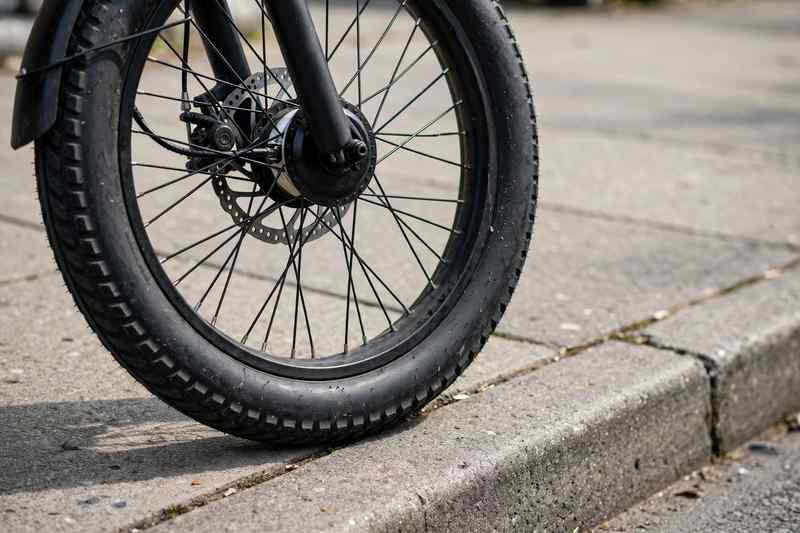
Can You Ride an Ebike on the Sidewalk? My Quick Verdict
No, most cities ban motor bikes from public walkways to protect people on foot. Unless a sign marks a shared path, you belong in the bike lane or street.
When I bought my first 65-pound bike, fast four-lane roads scared me. I hopped onto a quiet suburban walk and thought I was being smart. Within ten minutes, I nearly clipped a golden retriever backing out of tall hedges.
Your legal rights depend on your motor class and local city code:
Class 1 (Pedal Boost Only): The motor helps only when your feet turn the pedals up to 20 mph. Some suburbs allow these on wide outer walkways at slow speeds.
Class 2 (Throttle Power): A thumb switch moves the bike up to 20 mph without pedaling at all. Most towns treat these like mopeds and ban them from walk zones.
Class 3 (Fast Commuter): These reach 28 mph with pedal help and belong strictly on paved streets. Sidewalk riding on a Class 3 model is illegal almost everywhere.
My Hard Lesson: A heavy frame plus silent hub power feels calm to the rider. To a walker, a 65-pound machine passing two feet away feels like a truck.
| Common Advice | My Real-World Test | Better Move |
|---|---|---|
| Sidewalks are safer than roads | Turning cars never scan walkways | Use a quiet side street |
| Ride slow and cops ignore you | Downtown patrols ticket very fast | Walk your bike on blocks |
| Turn the screen off to pass | Heavy frames still scare walkers | Take the marked bike lane |
Why Sidewalk Riding Backfires on Heavy Ebikes
Sidewalk riding often fails because car drivers do not look for fast bikes on walkways. You trade fear of road traffic for real side-impact risks at every corner.
Hidden Hazards I Hit at 15 MPH
Concrete paths hide bumps, blind spots, and sudden stops that punish heavy tires. At 15 mph, you cover 22 feet every single second you roll forward.
During my first month of testing, four real hazards caught me off guard:
Blind Driveways: Fences and tall bushes hide backing cars until you are six feet away. Drivers look for slow walkers, not a bike moving four times faster.
Tree Root Buckles: Uneven concrete slabs jolted my front fork and shook my wrists numb. At 14 mph, a two-inch lip can bounce your hands off the bars.
Retractable Dog Leashes: Thin nylon cords stretch across the whole path and hide in deep shade. I locked my rear tire once to dodge a thin cord across my lane.
Slick Metal Grates: Wet cellar doors and drain covers turn rubber tires into ice skates. Touching your front brake on wet steel drops a heavy bike in half a second.
Brake Distance Reality Check: On dry pavement at 15 mph, my 65-pound bike needed 18 feet to stop. On wet leaves over concrete, I slid 31 feet before stopping.
| Warning Sign | Real Cause | My 2-Minute Fix |
|---|---|---|
| Walkers jump when you pass | Silent motor hides your approach | Ring a brass bell early |
| Front wheel skids on cracks | Tire pressure is way too high | Drop air by 5 PSI |
| Bike surges after tight turns | Pedal assist stays set too high | Switch to Level 1 Eco |
Exact Speed Limits: When Can You Ride an Ebike on the Sidewalk?
When local rules allow sidewalk riding, you must stay under 8 to 10 mph. If you ask can you ride an ebike on the sidewalk safely, speed is everything.
How Can You Ride an Ebike on the Sidewalk Without Fines?
Follow strict speed, width, and gap numbers whenever you roll onto a legal shared path. I tested these exact limits across dozens of suburban trails without one complaint.
Keep your ride inside these five tested safety numbers every time:
8 MPH Max Cruise Speed: Keep your screen readout under 8 mph when foot traffic is in sight. That matches a brisk jog and lets you stop within six feet.
3 MPH Passing Pace: Slow down to a normal walking pace before you pass people or pets. Never zip past someone’s elbow at double their walking speed.
4-Foot Passing Gap: Give every person at least four feet of open space on their left. If the path is under six feet wide, step off and walk past.
750-Watt Motor Cap: Most states cap street-legal electric bikes at 750 watts of peak motor power. Anything higher counts as a motor vehicle and stays off all walkways.
50-Foot Bell Warning: Ring a crisp 60-decibel thumb bell when you are 50 feet behind walkers. That gives them three full seconds to hear you without jumping in fear.
| Size / Scenario | Exact Amount | How Often |
|---|---|---|
| Passing walkers or strollers | 3 mph max speed | Every single pass |
| Open suburban shared path | 8 to 10 mph cap | Only when path is clear |
| Downtown store front blocks | 0 mph walking only | Always dismount near shops |
| Bell chime warning distance | 50 feet behind walkers | Before every pass or turn |
My Step-by-Step Routine for Legal Sidewalk Zones
Prepare your bike settings before your tires ever touch a shared concrete ramp. A quick two-minute setup stops sudden motor surges that cause most low-speed crashes.
Step 1: Drop Your Assist Level to Eco Mode
Click your handlebar minus button down to Level 1 or Eco mode right away. High power settings dump too much torque into the rear wheel from a slow turn.
Step 2: Cover Both Brake Levers With Two Fingers
Rest your index and middle fingers lightly on both brake levers at all times. Keeping two fingers ready cuts your stopping time in half when a gate swings open.
Step 3: Scan Driveways and Call Out Early
Look over fences for car roofs and ring your bell before every blind corner. Speak in a friendly voice and say “passing on your left” before moving around anyone.
My Throttle Lock Shortcut: On my Class 2 folding bike, I flip my throttle switch off on paths. That stops a bump from making my thumb press the power lever by mistake.
| Step | Time Needed | Key Shortcut |
|---|---|---|
| Check city pole signs | 60 seconds before riding | Spot no-bike decals at corners |
| Drop power to Level 1 | 3 seconds at curb | Tap minus button to Eco |
| Ring bell and call out | 5 seconds before passing | Mount bell right near thumb |
Rookie Mistakes I Made on Crowded Walkways
My worst early errors came from treating a heavy powered bike like a beach cruiser. Whenever friends ask can you ride an ebike on the sidewalk, I share these blunders first.
Avoid these three mistakes that nearly wrecked my bike in year one:
Riding Against Traffic Flow: Rolling left into oncoming cars at crosswalks made me invisible to right-turning drivers. Always ride in the same direction as the street lane beside you.
Trusting Loud Electric Horns: Buzzer horns sound like angry car alarms and make walkers freeze in your path. A simple brass bell sounds warm and tells people a bike is near.
Jumping Off High Curbs: Dropping a 65-pound frame off a six-inch curb bent my rear spokes in two weeks. Always use the sloped yellow curb ramp at the crosswalk instead.
Watch the Rear Hub Weight: Most budget bikes carry a heavy motor inside the back wheel. Hopping curbs slams that dead weight straight onto your rear rim and inner tube.
| My Early Mistake | What Happened | What I Do Now |
|---|---|---|
| Kept assist on Level 4 | Bike lunged near a crosswalk | Use Level 1 or 0 |
| Used a loud buzzer horn | Startled walker stepped into me | Use a soft brass bell |
| Rode left against street cars | Turning SUV almost clipped me | Ride with traffic flow only |
Better Swaps When Sidewalks Are Off Limits
Quiet side streets and greenway trails beat bumpy concrete walkways every single time. You get smooth pavement, fewer driveway traps, and zero risk of a police ticket.
When a main road looks too fast, I use these three easy swaps instead:
One-Block Parallel Streets: Shift one block over from the main road onto a 25 mph residential street. Adding two minutes to my trip saves me from cars and crowded curbs.
Protected Curb Bike Lanes: Look for lanes with plastic posts or parked cars between you and moving traffic. Your motor lets you keep a steady 18 mph pace without holding anyone up.
Paved Greenway Trails: Many city rail trails welcome Class 1 and Class 2 bikes under 15 mph. These wide asphalt paths skip driveways and traffic lights for miles.
| Option I Tried | Best Use Case | My Honest Verdict |
|---|---|---|
| Parallel side street | Skipping fast 4-lane roads | My favorite daily route swap |
| Protected bike lane | Downtown commuting hours | Fast and legal for all classes |
| Shared greenway path | Weekend rides under 15 mph | Smooth and stress-free riding |
FAQs for can you ride an ebike on the sidewalk
Is it legal to ride a Class 2 ebike on the sidewalk?
Most cities ban Class 2 throttle ebikes on sidewalks. You must use road lanes unless local signs clearly allow shared path riding.
How fast can I go on a shared sidewalk path?
Keep your speed under 8 to 10 mph near walkers. Drop to a 3 mph walking pace whenever you pass kids, pets, or blind corners.
Can I ride my ebike on the sidewalk if the motor is off?
Some towns let you pedal with the motor off on suburban walks. Downtown business zones still ban all adult bikes unless you walk them.
How much is a ticket for riding an ebike on the sidewalk?
Fines range from $50 to $250 depending on your city code. Repeat stops in busy downtown zones can even lead to temporary bike impound.
Do kids have the same sidewalk rules for ebikes?
Riders under age 16 often get sidewalk access on low-speed bikes. Even then, many states ban anyone under 16 from riding fast Class 3 models.
Who is at fault in a sidewalk ebike crash?
The ebike rider almost always holds legal fault in walk-zone crashes. Foot traffic has the right of way on every public walkway by law.
My Final Rule Before Rolling Onto Concrete
My biggest lesson after 4,200 miles is simple: respect the weight of your bike. Just because your tires fit on a narrow walkway does not make it safe. When foot traffic is out, slow down to a crawl or step off and walk.
Before your next ride, take five minutes to check your city’s bike map online. Search your town name plus “municipal code electric bicycles” on your phone right now. Knowing your local rules today will save you a $150 ticket tomorrow.

Leave a Reply