
My palms sweated as a Zion ranger walked toward my dusty tailgate. I asked myself are ebikes allowed in national parks before unloading my gear. One wrong move on federal land brings a steep ticket.
That tense morning started my three-year test across six major parks. I measured battery drain, read park rulebooks, and spoke with rangers. You can ride legally if you follow specific motor and trail rules.
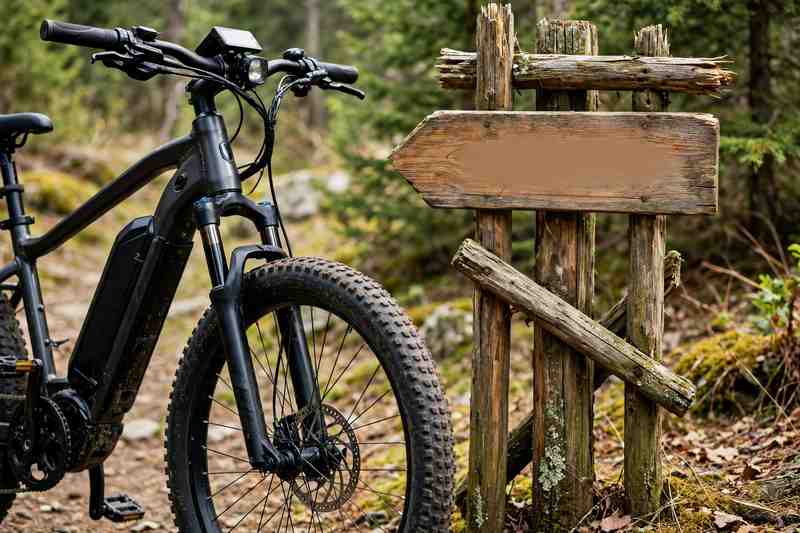
Are Ebikes Allowed in National Parks? My First Test and Quick Verdict
Yes, e-bikes are allowed on park roads and designated bike trails. However, each park boss sets local class and throttle rules.
How My First Zion Ride Proved the Three-Class Rule
Your bike must fit into Class 1, Class 2, or Class 3. During my first Zion trip, the ranger checked my frame sticker first.
Federal code 36 CFR 4.30 treats legal e-bikes like regular bikes. You cannot ride wherever hikers walk, though. You only get access to paved car roads and approved bike paths.
Class 1 bikes: Pedal-assist only, stopping assistance at 20 mph.
Class 2 bikes: Throttle and pedal-assist, stopping motor power at 20 mph.
Class 3 bikes: Pedal-assist only, helping you reach 28 mph.
My First-Ride Lesson: Rangers rarely test your motor with tools at the gate. They look straight at the manufacturer class sticker on your lower frame tube.
Why the Park Superintendent Holds the Final Say
No e-bike is legal in a park until the superintendent designates the route. I learned this when asking are ebikes allowed in national parks like Acadia.
Acadia let me ride my Class 1 bike on crushed stone carriage roads. Yet that same park banned my friend’s Class 2 throttle bike on those paths. Always check the local park website before you lock your bike to the rack.
| Option I Tried | Best Use Case | My Honest Verdict |
|---|---|---|
| Class 1 Mid-Drive | Steep paved park roads | Best all-around park access |
| Class 2 Hub Motor | Flat scenic valley loops | Great if throttles are legal |
| Class 3 Commuter | High-speed highway shoulders | Restricted on many paths |
| 1,000W Fat Bike | Off-park desert dirt roads | Illegal as a park e-bike |
Why Riding an E-Bike in National Parks Works (Or Backfires Fast)
E-bikes let you skip crowded shuttle lines and climb steep canyon grades effortlessly. Still, heavy frames and fast battery drain can strand you miles from camp.
The Big Uphill Wins I Measured at High Altitude
Pedal-assist flattens 8% mountain grades and saves your knees at high elevation. At Yellowstone, I bypassed thirty minutes of bumper-to-bumper car traffic near Old Faithful.
You smell the pine needles and hear river rapids instead of tour bus exhaust. At 7,000 feet in Bryce Canyon, thin air usually burns my lungs fast. Setting my motor to level two kept my heart rate steady at 125 beats.
Zero parking stress: You roll right up to full overlook racks at 9 AM.
Quiet wildlife viewing: Bighorn sheep ignored my quiet 500-watt mid-drive motor in Zion.
Cooler morning rides: Breezing uphill at 15 mph prevents heavy sweat in desert heat.
Where E-Bikes Backfire on Steep Grades and Cold Mornings
Cold mountain air and steep climbs cut your battery range in half. My 500-watt-hour battery died two miles short of the Grand Canyon visitor center.
Frosty 38-degree mornings at Mammoth Hot Springs drained 20% of my charge before breakfast. Worse, pedaling a dead 62-pound bike uphill feels like dragging a boat anchor. You must track every watt when riding far from your parked truck.
Safety Warning: Never trust your handlebar range estimate on mountain roads. A screen showing 30 miles on flat pavement drops to 11 miles on climbs.
| Common Advice | My Real-World Test | Better Move |
|---|---|---|
| Trust the range screen | Died after 14 uphill miles | Cut screen estimate in half |
| Use turbo mode uphill | Overheated motor on grades | Stay in eco or tour mode |
| Leave charger in hotel | Stranded at canyon lodge | Pack charger for lunch stops |
| Ride at midday peak | Dodged wide RVs constantly | Start riding by 6:30 AM |
Safe Motor Limits: How Are Ebikes Allowed in National Parks by Class?
Federal rules limit park e-bikes to 750 watts and working foot pedals. Anything faster or stronger counts as an unlicensed motorbike on park land.
Why Are Ebikes Allowed in National Parks Under 750 Watts Only?
The National Park Service caps e-bike motors at 750 watts, or one horsepower. When friends ask are ebikes allowed in national parks, I check their motor wattage first.
I once brought an unlocked 1,000-watt hunting bike to Moab near Arches. A ranger warned me that motors over 750 watts violate federal bike rules. Even if you ride slowly, an oversized motor makes the bike illegal on trails.
Check the motor casing: Look for a stamped 250W, 500W, or 750W rating.
Verify working pedals: Foot pegs without a spinning crank fail the bicycle test.
Lock out speed hacks: Keep your software locked to factory class speed limits.
Speed Caps, Throttle Bans, and Battery Range Math
Most multi-use park paths enforce a strict 15 mph speed limit for bikes. Even if your Class 3 bike hits 28 mph, park speed signs win.
On my test rides, I also learned how strict throttle rules can be. Many parks ban riding on pure throttle power without pedaling on shared paths. If you use a Class 2 bike, keep your feet turning the pedals.
My Range Shortcut: I budget 25 watt-hours per mile on hilly park roads. A 500Wh battery gives me 20 safe miles before I turn around.
| Size / Scenario | Exact Amount | How Often |
|---|---|---|
| Maximum motor wattage | 750 watts peak limit | Every single park ride |
| Class 1 and 2 speed | 20 mph motor cutoff | Continuous while riding |
| Class 3 assist speed | 28 mph motor cutoff | Paved car roads only |
| Cold weather range drop | Lose 25% below 45°F | Every frosty morning ride |
| Tire pressure check | 35 to 50 PSI | Before every trailhead start |
My Step-by-Step Pre-Ride Routine for Stress-Free Park Access
I run a 15-minute check the night before entering any national park. This routine keeps me legal, saves battery power, and prevents brake fade on descents.
Step 1: Finding the Park Compendium in Two Minutes
Search the park website for the Superintendent’s Compendium to see exact e-bike rules. This legal document lists every open road and trail under section 36 CFR 4.30.
Do not rely on old blog posts when checking are ebikes allowed in national parks. Construction or rockslides can close a bike path overnight. I save a screenshot of the park bicycle page on my phone before leaving Wi-Fi.
Step 2: Prepping Tires, Brakes, and Frame Stickers at Home
Clean your class sticker and test your brake pads before loading your rack. Mountain descents in parks like Rocky Mountain cook cheap brake pads in minutes.
Wipe the class label: Clean dirt off the Class 1, 2, or 3 sticker.
Measure brake pad thickness: Replace any disc pad thinner than 1.5 millimeters.
Pump tires firm: Add 5 extra PSI for smooth paved park roads.
Charge indoors overnight: Keep the battery at 65°F inside your cabin or tent.
Pack a loud bell: Rangers require audible warnings when passing walkers on trails.
Step 3: Passing the Entrance Gate and Trailhead Check
Tell the entrance ranger you have e-bikes and ask for daily trail updates. Rangers appreciate honest riders and often share tips on quiet morning loops.
When I rolled into Yosemite Valley, the gate ranger pointed out a flooded path. That ten-second chat saved me a three-mile detour in cold water.
Time-Saving Habit: Unplug or remove your thumb throttle cable on modular Class 2 bikes. Many brands let you unplug the throttle in thirty seconds to ride Class 1 trails.
| Step | Time Needed | Key Shortcut |
|---|---|---|
| Read Park Compendium | 3 minutes | Search page for word bicycle |
| Inspect disc brake pads | 2 minutes | Shine phone flashlight through caliper |
| Warm battery indoors | 5 minutes | Store battery inside sleeping bag |
| Mount handlebar bell | 2 minutes | Place near left thumb grip |
| Screenshot trail map | 1 minute | Save to phone favorites folder |
Rookie Mistakes I Made Early On (And How I Fixed Them)
My biggest early errors were riding on dirt foot trails and trusting weak brakes. Fixing those habits saved me from heavy fines and scary downhill crashes.
Confusing Dirt Hiking Trails With Legal Bike Paths
Unless a sign specifically shows a bicycle symbol, dirt trails are off-limits. Furthermore, federal wilderness areas ban all bicycles and e-bikes with zero exceptions.
In my first month, I turned onto a packed dirt path near Grand Teton. Within two hundred yards, a volunteer warned me it was a wilderness foot trail. Now I check the trailhead post for a green bicycle icon before rolling forward.
Paved park roads: Open to all three e-bike classes unless posted closed.
Multi-use paved paths: Open to e-bikes, usually capped at Class 1 or 2.
Singletrack hiking trails: Strictly closed to bikes in almost every national park.
Designated wilderness zones: 100% banned for both regular bikes and e-bikes.
Using My Thumb Throttle in Pedal-Assist Zones
Coasting uphill without pedaling instantly draws ranger attention on shared park paths. Even where Class 2 bikes are legal, many parks ban throttle-only propulsion on trails.
At Cuyahoga Valley, I lazily held my thumb throttle down past a trail station. A ranger politely stopped me and explained the pedal-only trail rule. Since then, I keep my cadence steady and never ghost-pedal past hikers.
Real-World Fix: Downshift to a low mechanical gear before stopping at scenic overlooks. Starting on a steep hill in high gear strains your motor and tempts throttle use.
| My Early Mistake | What Happened | What I Do Now |
|---|---|---|
| Rode dirt trailhead path | Stopped by trail volunteer | Look for green bike sign |
| Used throttle past hikers | Got verbal ranger warning | Pedal steadily in low assist |
| Left battery on hitch rack | Froze battery in 32°F wind | Carry battery inside truck cab |
| Ignored shuttle bus rule | Held up Zion canyon bus | Pull over and stop completely |
Better Alternatives and Smart Swaps When Trails Ban Motors
When a national park restricts e-bikes to busy car roads, ride nearby public lands. Or rent a compliant Class 1 bike right outside the park entrance gate.
Swapping to Adjacent Forest Service and BLM Loops
National forests and BLM lands right outside park borders offer thousands of dirt miles. Whenever people ask are ebikes allowed in national parks for mountain biking, I redirect them.
National parks protect fragile trails, so dirt singletrack biking is rare inside park lines. Just ten minutes outside Grand Teton, Bridger-Teton National Forest opens huge motorized dirt loops. Grab the agency’s Motor Vehicle Use Map to find legal dirt roads fast.
Renting a Park-Approved Class 1 Bike at the Gate
Local outfitters near park gates rent pre-approved Class 1 bikes that pass every rule. When I flew to Maine for Acadia, I left my Class 2 bike home.
I rented a lightweight Class 1 bike in Bar Harbor for $85 a day. The shop included a laminated carriage road map and a pre-set 20 mph limiter. It saved me airline battery shipping fees and guaranteed zero trouble with park rangers.
| Warning Sign | Real Cause | My 2-Minute Fix |
|---|---|---|
| No bike icon on sign | Foot-only hiking trail | Turn around to paved road |
| Squealing brakes downhill | Overheated rotor on grade | Pull over to cool 5 minutes |
| Flashing battery bar | Voltage sag on steep climb | Drop assist from level 4 to 1 |
| Passing shuttle bus horn | Failing to yield on road | Stop fully at right road edge |
FAQs for are ebikes allowed in national parks
Can I ride a Class 2 e-bike with a throttle in national parks?
Yes, Class 2 e-bikes are legal on designated park roads. However, most parks ban pure throttle riding on shared bike paths.
Are ebikes allowed in national parks on dirt hiking trails?
No, e-bikes are strictly banned on dirt hiking trails. You can only ride them on public car roads and approved bike paths.
What is the maximum e-bike motor wattage for national parks?
Federal park rules cap electric bike motors at 750 watts maximum. Any larger bike counts as an illegal off-road motor vehicle.
Do I need a special permit to ride my e-bike in a park?
No, you do not need a special e-bike permit for regular park roads. You simply pay the standard bicycle entrance fee at the gate.
Can I ride an e-bike on Acadia National Park carriage roads?
Yes, Acadia allows only Class 1 pedal-assist e-bikes on its crushed stone carriage roads. Class 2 and Class 3 bikes are banned there.
Are ebikes allowed in national parks during shuttle-only hours?
Yes, parks like Zion allow e-bikes on scenic drives during shuttle hours. However, you must pull over and let passing buses by.
My Final Verdict on Riding E-Bikes in National Parks
Knowing are ebikes allowed in national parks turns a stressful trip into an unforgettable ride. Stick to paved roads and designated bike paths, keep your motor under 750 watts, and respect local throttle rules. You will breeze past crowded parking lots and enjoy quiet canyon views at your own pace.
Take five minutes right now to open the official NPS website for your next park trip. Type “bicycling” into their search bar, verify which e-bike classes are approved, and save a screenshot of the trail map to your phone before you pack your gear.

Leave a Reply