
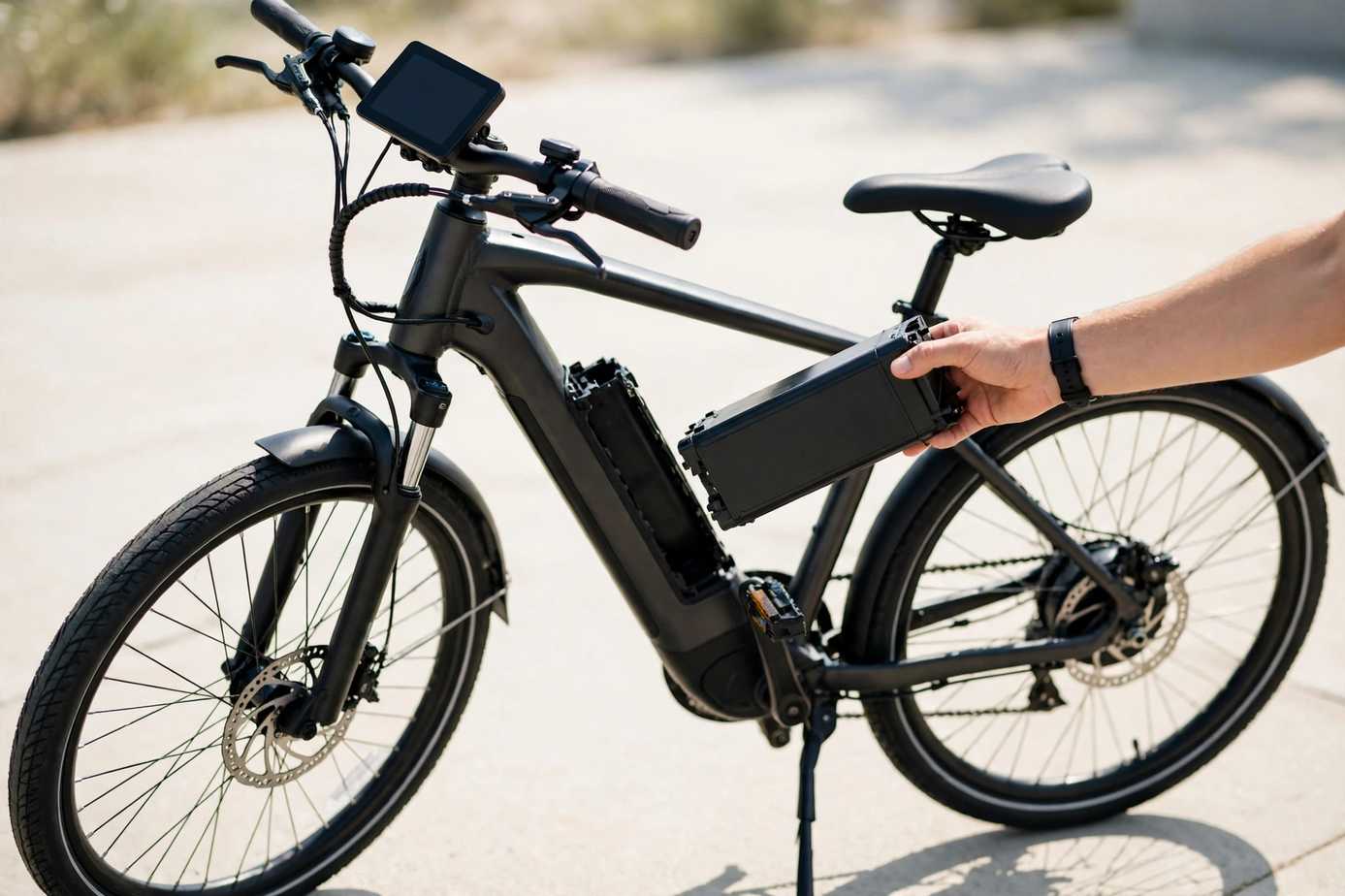
TL;DR
- An ebike that won’t turn on almost always has a power-supply problem: a drained battery, a loose battery seat, a blown fuse, or a disconnected display cable.
- Gyroor’s 2024 diagnostic guide says over 50% of no-power cases are solved by checking the power source and its physical connections first.
- Work in order: battery charge, battery seat, battery button, charger, voltage reading, display cable, fuse, brake sensors.
- A battery that is swollen, hot, leaking, or smells odd should never be charged or ridden. Stop using it and take it to a hazardous-waste drop-off.
- If every step below fails, the controller or battery management system is the likely culprit, and that repair belongs with a technician.
Why an Ebike Won’t Turn On: The Short Answer
An ebike fails to power on when the electrical circuit is broken somewhere between the battery and the display. Troxus describes it as a break in the circuit or a failed component that starts the power sequence, such as the battery, display, or controller.
The controller is the electronic unit that sends power from the battery to the motor and display. The battery management system (BMS) is the circuit board inside the battery pack that protects the cells and can shut the pack off to prevent damage.
The steps below go from the quickest checks to the most involved ones. Stop as soon as the bike powers up.
Safety Rules Before You Troubleshoot an Ebike
Turn the bike off and remove the battery before touching any wiring. Leoguar’s troubleshooting guide lists this as the first safety rule, because a connected battery can short a tool or damage the electronics.
Stop completely if the battery shows swelling, cracks, leaks, smoke, unusual heat, or a strange odor. Those are the warning signs listed in a 2026 e-bike battery safety guide from Analytics Insight, and a damaged lithium-ion pack is a fire hazard.
The US Consumer Product Safety Commission (CPSC) also says never to charge e-bike batteries while you sleep, and to use only the charger that came from the ebike maker (CPSC, 2024).
What You Need Before You Start
Most fixes need only a few basic tools, so gather them first.
- A small screwdriver set and a set of Allen keys (hex wrenches).
- A clean cloth and, if you have it, a can of compressed air for dust in connectors.
- A multimeter (a handheld voltage tester) for Step 3.
- Your owner’s manual, which shows fuse locations and the battery wake-up method for your model.
Step 1: Check the Battery Charge and Seat It Firmly
A partially or fully depleted battery is the most common reason an ebike won’t turn on, according to Gyroor (2024). Lithium-ion packs lose charge while idle, and chargers get unplugged by accident.
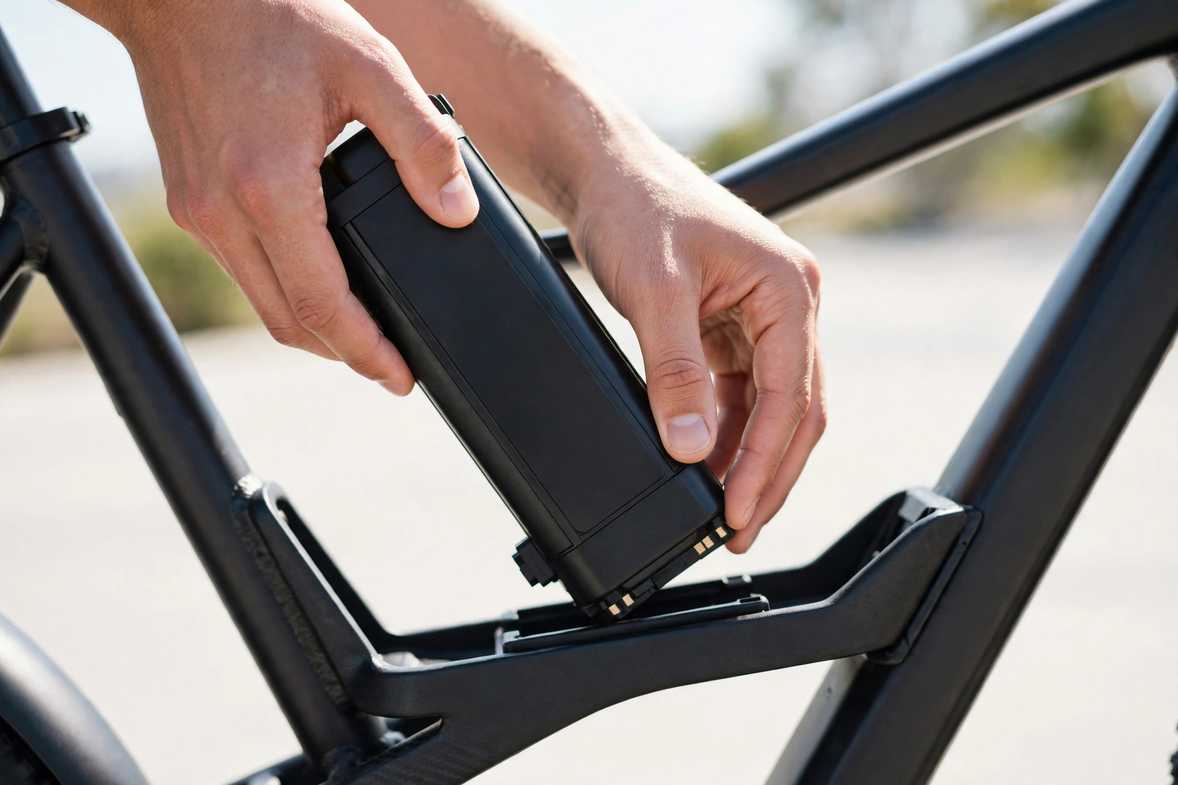
Plug the charger in and let the pack charge fully. Then remove the battery, check that the contacts are clean, and click it back into the holder until it locks. A battery that sits slightly off its contacts gives the same symptoms as a dead one.
Step 2: Wake the Battery and Test It on Its Own Button
Many packs have their own charge-check button, and pressing it tells you whether the battery has any power at all. Leoguar advises against trusting the last reading on the bike display. Press the button on the battery itself. If no lights come on, the pack is empty or locked.
Some batteries also enter a hibernation (sleep) mode after long storage. Troxus lists this as its own diagnostic step. Check your manual for the wake-up method for your brand, which is usually a button press or a few minutes on the charger.
Cold can also keep a pack inactive. Leoguar notes that a battery may stay off until its temperature rises, so bring it indoors for a while if it sat in a cold garage.
Step 3: Test the Charger and Read the Battery Voltage
A faulty charger can stop early or show a false full charge, which makes a half-empty battery look ready (Leoguar). A voltage reading settles the question.
With the multimeter, measure the battery at its output or charging port as your manual describes. Compare the number to the rated voltage on the battery label. A fully charged 36V pack typically reads about 42V, and a 48V pack about 54.6V.
Leoguar says a reading at or near 0V points to a locked BMS, a blown fuse, or a serious internal fault. Do not open the battery case yourself.
Step 4: Inspect the Display Cable and All Connectors
A disconnected or damaged display cable stops the whole bike from powering on. Rad Power Bikes’ support team lists the display connector as its first check for bikes with integrated batteries.
Trace the cable from the handlebar display down to the wiring harness. Look for pinched sections, bent pins, and connectors that have worked loose. Unplug each connector, wipe it clean, and push it back in until it seats fully.
Loose connectors are common on bikes that have been transported on a car rack or stored on a shelf with the cables bent.
Step 5: Check the Fuse
A blown fuse breaks the circuit, and the bike shows no power at all. Gyroor describes it as a small, cheap part that causes a total failure. Letrigo adds that fuses are often located near the battery.
On some packs, a small plastic cap marked “FUSE” covers it (Leoguar). Remove the battery from the bike first. Replace a blown fuse only with one of the same rating listed in your manual.
If the new fuse blows right away, there is a short circuit somewhere. Stop and take the bike to a shop.
Step 6: Check the Brake Sensors, Power Button, and Key
Safety sensors and switches can stop an ebike from starting even when the battery is healthy. Gyroor’s guide lists safety sensors among the quick checks, and Leoguar names a faulty brake sensor as a possible cause.
Squeeze and release both brake levers and make sure neither is stuck. Check that the power button on the display is not jammed or dirty. On models with a key switch, confirm the key is in the ON position and fully inserted.
A wheel-speed sensor magnet or brake cutoff wire that has shifted can also trigger a lockout, so look for loose or snagged wires near the levers.
Step 7: Look for Water Damage and Corrosion
Water inside the battery compartment or connectors can cut power and cause permanent damage. Troxus includes environmental factors and water damage as a separate step in its guide.
Check the battery contacts, the charging port, and the connectors for rust, green residue, or moisture. A dry cloth and compressed air handle light cases.
Rad Power Bikes told customers in 2025 to inspect batteries before every use or charge and to stop using any pack with signs of damage, water ingress, or corrosion (Bicycle Retailer, 2025).
Step 8: Swap Test the Battery and Reset the Display
The fastest way to find the failed part is to swap it. Letrigo says testing the battery on another compatible ebike confirms whether the battery or something else is at fault.
If the battery works on another bike, the problem is in your bike: the display, wiring, or controller. If the battery fails on a known-good bike, the pack is the problem.
If the screen is glitchy or frozen, Leoguar says a display reset usually restores normal function. Follow the reset steps in your display manual.
A crashed or failed controller can also leave the display blank or flickering (Letrigo). That repair needs a technician.
Ebike Won’t Turn On: Symptoms, Likely Causes, and First Checks
Matching the symptom to the likely cause saves time. This table sums up the steps above.
| Symptom | Likely Cause | First Check |
|---|---|---|
| No lights on battery or display | Depleted battery, locked BMS, or blown fuse | Battery button, then voltage reading |
| Battery shows full but bike is dead | Loose connection, bad charger, or blown fuse | Reseat battery, test charger |
| Display stays blank, battery lights up | Disconnected display cable or failed controller | Display connector at the handlebar |
| Bike turns on, then cuts out | Brake sensor fault or loose connector | Brake levers and wiring |
| Won’t power on after rain or washing | Water in connectors or contacts | Inspect for moisture and corrosion |
| Battery is hot, swollen, or smells odd | Damaged cells | Stop use and dispose safely |
When to Stop and Take Your Ebike to a Technician
Go to a qualified shop if you suspect an internal battery fault, a failed controller, or repeated fuse failures. Leoguar lists a battery that will not charge, gets very hot, or has a damaged case as problems too complex for home repair.
A motor error code that persists after you check the connections also needs professional diagnosis.
Dispose of damaged lithium-ion batteries through a household hazardous-waste program. The CPSC says not to put them in household trash, curbside recycling, or store drop-off bins for used batteries (Bicycle Retailer, 2025).
Frequently Asked Questions About an Ebike That Won’t Turn On
A full charge reading does not guarantee power reaches the bike. Loose terminals, a faulty BMS, or a blown fuse are the usual causes, and a bad charger can show a false full charge. Reseat the battery, check the fuse, and measure the voltage with a multimeter.
Remove the battery, wait a minute or two, and reinsert it firmly. If the display is frozen or glitchy, use the reset steps in your display manual. A reset usually clears software glitches but does not fix a dead battery or blown fuse.
Yes. A blown fuse opens the circuit, so nothing powers up. On some packs, the fuse sits under a small cap marked “FUSE.” Replace it only with the same rating, and have a shop inspect the bike if it blows again.
The usual causes are a low battery, a loose or damaged display cable, a blown fuse, water in the connectors, or a failed controller (Letrigo). Check the battery first, then the display connector at the handlebar.
A reading at or near 0V usually means a locked BMS, a blown fuse, or an internal fault (Leoguar). Do not open the pack. Contact the manufacturer or a certified ebike technician, and replace the battery if it is damaged.
Only if the pack shows no damage. Never charge a battery that is swollen, cracked, leaking, hot, or smelly. For any charge, stay nearby, use the original charger, and never charge while you sleep (CPSC, 2024).
Quick Recap of the Steps
- Charge the battery fully and reseat it until it locks.
- Press the button on the battery itself to see if the pack has power.
- Test the charger and read the battery voltage.
- Inspect the display cable, connectors, and fuse.
- Check brake sensors and the power switch, then look for water damage.
- Swap-test the battery on another bike, and book a shop visit if the bike still stays dead.
References
- Rad Power Bikes Support: Troubleshoot a bike that won’t turn on (bikes with integrated batteries)
- US Consumer Product Safety Commission: CPSC Warns Consumers to Stop Using Unit Pack Power (UPP) E-bike Batteries
- Bicycle Retailer and Industry News: CPSC warns about fire hazard in Rad Power lithium-ion batteries

Leave a Reply