
TL;DR
- Clicking usually comes from a loose part, a brake rotor rub, a spoke, or a dry freewheel clutch. Grinding usually points to worn bearings, a damaged gear, or a rubbing rotor.
- Turn assist off and pedal first. If the sound persists with assist off, the motor may not be the source.
- Most non-motor causes (rotor rub, loose bolts, dry chain, loose spoke) take under 30 minutes to fix with basic tools.
- Grinding that appears only under power means you should stop riding and inspect the bike before going further.
- Some hum and light clicking while coasting is normal on a geared hub motor. A new or worsening sound is not.
Why Is My Ebike Motor Making Noise?
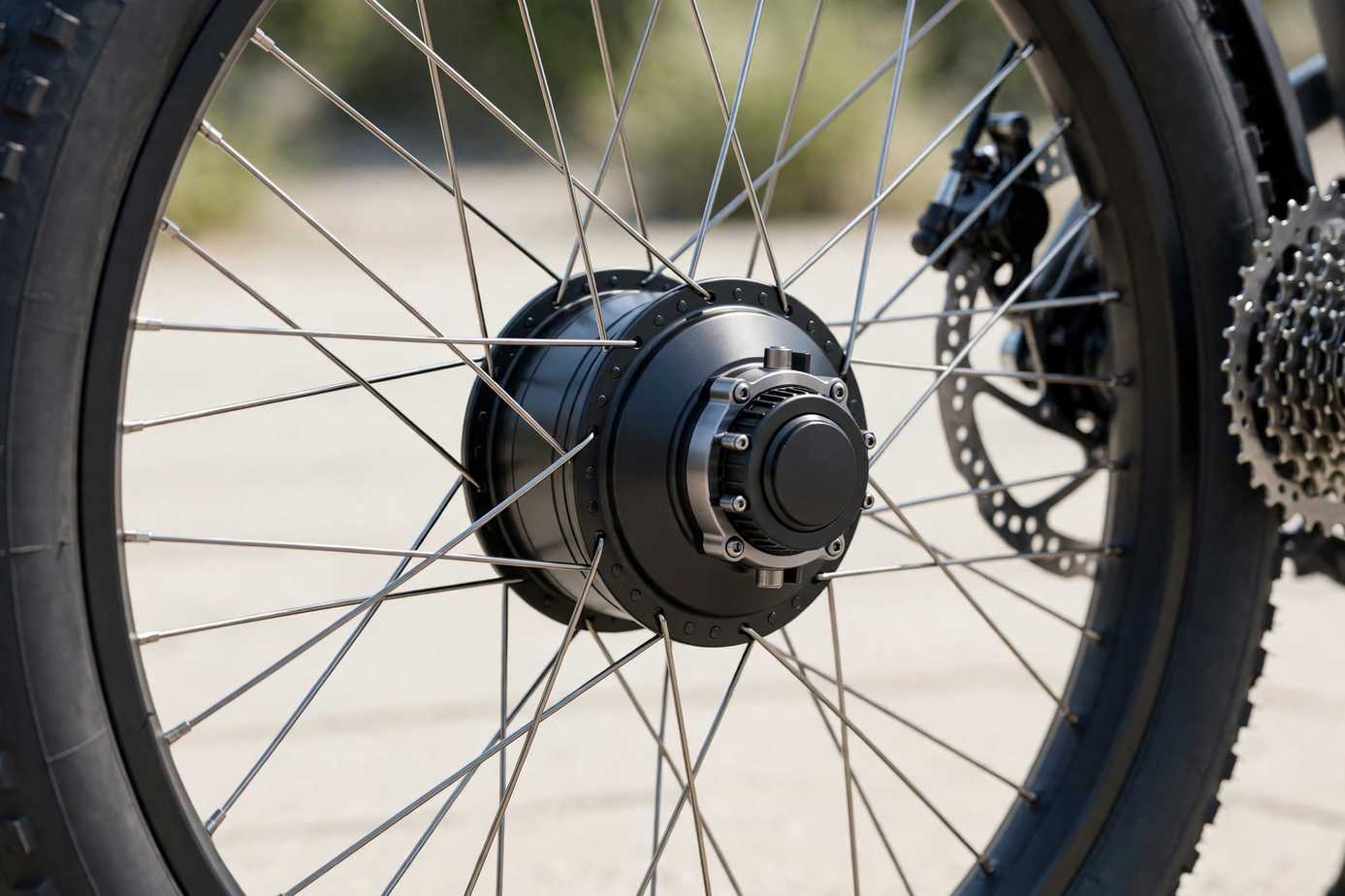
Your ebike motor is noisy because something in the wheel, drivetrain, brakes, or motor itself is loose, dry, worn, or rubbing. The sound often travels through the frame, so it seems to come from the motor when it does not. A clicking pedal can sound like a motor problem, and a loose spoke can sound like a rear hub motor.
What matters is change. Many motors make a steady whir or hum, especially under load or in higher assist modes, but a new clicking, grinding, knocking, or rumbling sound should be checked.
What Is Normal Ebike Motor Noise and What Is Not?
Humming, whirring, and light clicking while coasting are normal on many ebikes. Grinding, screeching, and rhythmic scratching are not. The table below separates the two.
| Sound | Usually normal? | Likely meaning |
|---|---|---|
| Steady hum or whir under load | Yes | Motor working harder on hills or in high assist |
| Light, intermittent click when coasting | Often | The freewheel mechanism or gears engaging in a geared hub motor |
| Click once per wheel rotation | No | Spoke, rotor, tire debris, or axle hardware |
| Grinding at low speed | No | Dry or contaminated bearings |
| Grinding that changes with wheel speed | No | Worn motor bearings or damaged internal gear |
| Rhythmic scratchy sound after a hub rebuild | No | Clutch problem |
Think of it like a car engine. A steady purr is fine. A new tick that was not there last week deserves a look.
What Causes Clicking in an Ebike Motor?
Clicking is most often a loose or dry part, and only sometimes a motor fault. Check the cheap, external causes first, then move to the hub.
Common causes of clicking:
- Brake rotor rub. Any contact between the disc rotor and caliper, even without braking, causes rhythmic clicking.
- Loose spokes, valve stem, or tire debris. These click once per wheel rotation.
- Loose axle or motor hardware. Vibration from loose bolts reads as a click or rattle.
- A dry freewheel clutch. On a geared hub motor, a clicking noise can mean mechanism components are loose or not lubricated enough.
- A cassette rubbing the motor. The back of the bottom gear can rub on the motor, or worn freehub bearings can let the cassette tilt.
- Pedals, crank, or headset. One rider traced a click to the headset when turning the handlebar (Electric Bike Review forum).
What Causes Grinding in an Ebike Motor?
Grinding is usually worn or dirty bearings, or damaged internal gears. It can also be a brake rotor or drivetrain problem, so rule those out first.
Worn hub bearings. A grinding sound at low speed is almost always caused by dry, worn, or contaminated wheel bearings, and hub motors use two sealed ball bearings supporting the axle.
Motor bearing failure. A constant, deep grinding that gets louder or changes pitch with wheel speed means worn motor bearings, and it sounds like dry metal rubbing on metal.
Damaged internal gears. Grinding can happen if the gears in a geared hub motor are misaligned or damaged. These gears are often nylon, which wears over time.
Water and corrosion. Moisture that gets inside leads to rust on bearings, springs, and clutch parts, causing grinding and faster wear.
Wrong or too little grease. Both are listed as common clutch failure causes in the same source.
How to Find Out Whether the Motor Is Really the Problem
Start by removing the motor from the equation. This takes about 10 minutes and often solves the mystery.
Step 1: Turn assist off and pedal
Ride or spin the cranks with the system powered off. If clicking, creaking, rubbing, or grinding continues, look at the regular bike parts first.
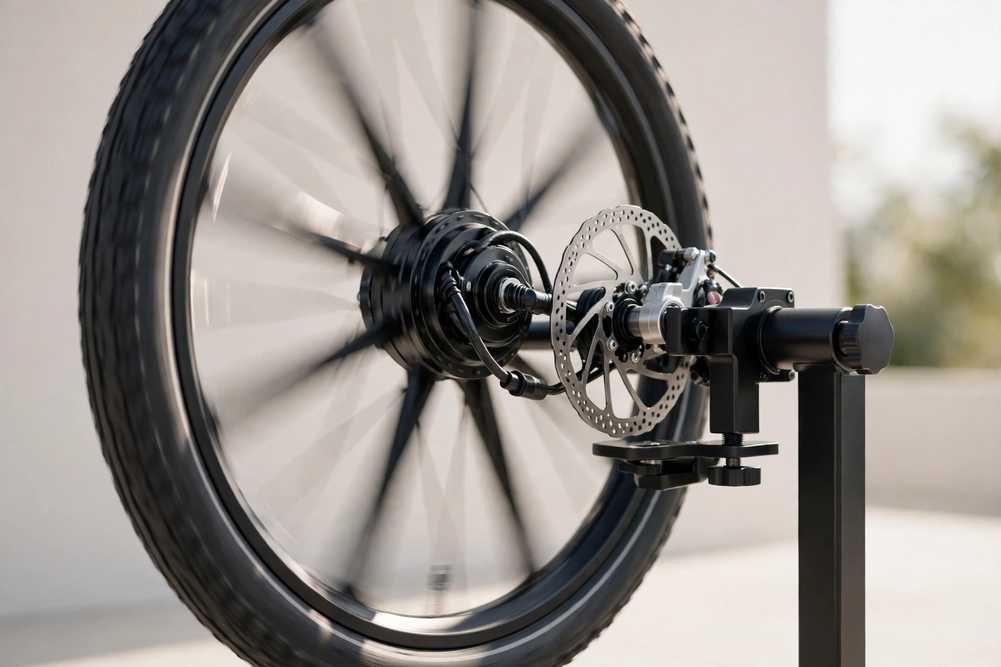
Step 2: Lift the wheel and spin it by hand
Listen with the bike on a stand. A sound that repeats once per rotation points to a spoke, rotor, tire, or valve stem. Watch the rotor against the caliper while it spins.
Step 3: Check the rotor and caliper
Loosen the caliper bolts, center the caliper over the rotor, and retighten. Centering the caliper is the fix for rotor-rub clicking.
Step 4: Tighten axle nuts, motor bolts, and spokes
Use the torque value printed in your owner’s manual. Check the torque arm if your bike has one.
Step 5: Clean and lube the drivetrain
A dry chain or worn cassette causes grinding that feels like a motor fault. Clean, then lube the chain.
Step 6: Check for play in the wheel
Grab the wheel at the top and rock it side to side. Any movement at the hub suggests worn bearings.
How to Fix Clicking and Grinding From a Hub Motor
If steps 1 to 6 do not solve it, the hub itself needs attention. Fixes depend on whether you own a geared or direct-drive hub motor.
| Hub type | Moving parts | Typical noise source | Typical fix |
|---|---|---|---|
| Geared hub motor | Planetary gears, clutch, bearings | Clutch, nylon gears, bearings | Clean and regrease clutch, replace worn gears or bearings |
| Direct-drive hub motor | Axle bearings only | Bearings, since they are the only moving parts | Replace bearings |
For a dry clutch, cleaning and regreasing with the correct grease is the first fix. For bearings, replacement is the answer once there is play or a rough feel when spinning the axle. On geared hubs, the freehub can be complex. One owner reports a freehub with three sealed bearings and two sets of loose bearings that needs servicing once or twice a year.
Open the motor only if you are comfortable with it. Opening can void your warranty.
When Should You Stop Riding and See a Shop?
Stop riding if the grinding appears only under power, gets louder quickly, or comes with power loss, a burning smell, or wobble. Continued riding can turn a bearing replacement into a full motor replacement.
Motor-related causes include worn motor bearings, damaged internal gears, loose motor hardware, controller trouble, Hall sensor issues, water intrusion, and drive-unit faults. Several of these need specialist tools. Hall sensor failure, for example, requires opening the motor and soldering new sensors, which is delicate work.
Repair cost matters too. If damage is severe, such as burnt windings or multiple failed parts, replacing the whole hub motor often costs less.
How to Prevent Ebike Motor Noise
Regular cleaning, correct lubrication, and keeping water out prevent most noise. A monthly check takes about 10 minutes.
- Wipe down the hub and drivetrain after wet or dirty rides.
- Check bolts, spokes, and rotor alignment every month.
- Use the grease type your manufacturer recommends for the clutch.
- After heavy rain, inspect for water near the bearings. Per Zbotic (2026), clean with compressed air and repack with waterproof grease.
- Do not pressure-wash the motor.
Frequently Asked Questions About Ebike Motor Noise
The most common causes are brake rotor rub, a loose spoke, loose axle hardware, or a dry freewheel clutch. Turn assist off and pedal. If the click disappears, the motor system is the likely source.
Light, intermittent clicking can be normal on a geared hub motor because of the freewheel mechanism. A loud, rhythmic, or new click is not normal and should be checked.
Grinding usually means worn or dry bearings, damaged internal gears, or a rubbing brake rotor. If it happens only under power, stop riding and inspect the bike.
You can ride a short distance for a hum or light click. Do not keep riding with grinding under power, since the damage can spread to gears and the motor.
Rotor, bolt, and spoke fixes cost little or nothing. Bearing replacement costs more, and severe motor damage can make a new hub motor the cheaper option.
Check bolts, spokes, and alignment monthly. Heavy riders and wet climates need earlier hub inspections. Some geared freehubs need servicing once or twice a year.
Summary: Fixing Ebike Motor Clicking and Grinding
- Confirm the motor is the source by turning assist off and spinning the wheel by hand.
- Fix external causes first: rotor rub, loose bolts, spokes, and a dry chain.
- Treat grinding under power as a stop-and-inspect problem.
- Regrease the clutch or replace bearings for hub-level noise.
- See a shop for sensor, gear, or controller faults.
References
- Upway. “How to Diagnose Strange Noises Coming From Your E-Bike Motor.” https://upway.co/blogs/news/diagnose-ebike-motor-noises
- Zbotic. “E-Bike Motor Noise Troubleshooting: Causes and Fixes” (March 2026). https://zbotic.in/e-bike-motor-noise-troubleshooting-causes-and-fixes-india/
- Letrigo. “Why Your E-Bike Hub Motor Clutch Might Fail and How to Fix It.” https://letrigo.com/blogs/knowledge/fix-ebike-hub-motor-clutch-fail

Leave a Reply